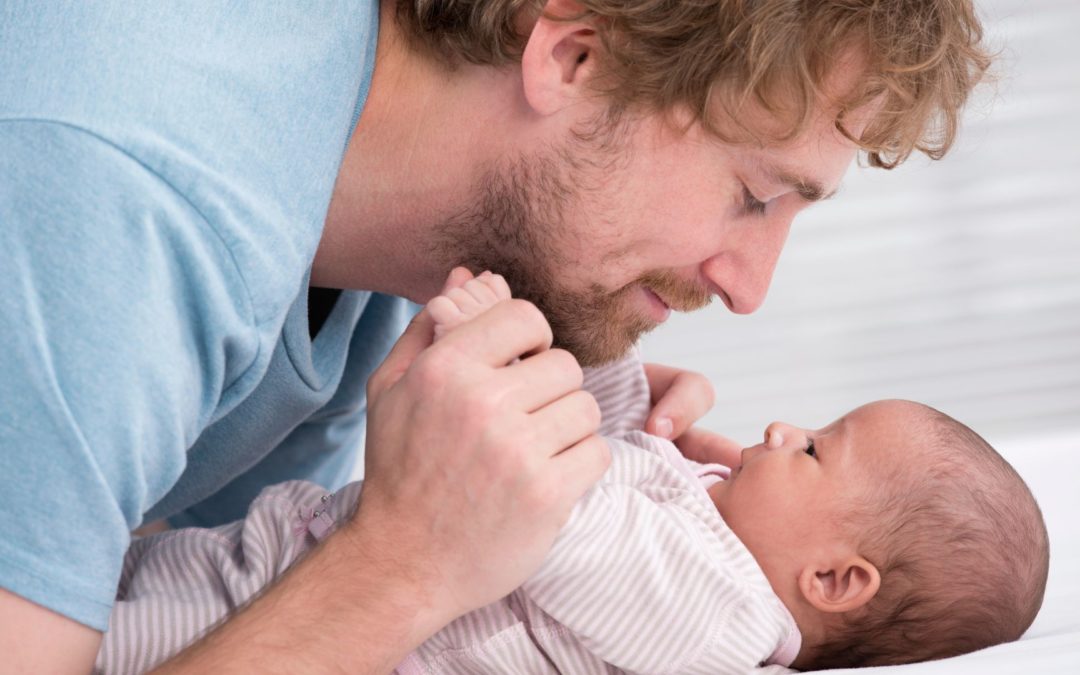



Teaching your baby to swim can be incredibly rewarding: not only are you boosting their confidence, it’s great exercise, supports a healthy lifestyle, and it’s also one of the best ways of spending some fun, quality time together
Apart from the few rare water babies who jump into the water and swim like fish, most kids need a little help. When your child’s older, you might sign him up for swimming lessons, but there’s plenty you can do to build your baby’s confidence in the water from day one.
START SMALL
There are lots of ways you can get your baby used to water at home, long before you first introduce him to your local swimming pool.
This can start from baby’s first bath. You could
- Splash water gently over his body.
- Lay him on his back and move him gently through the water.
- Over the next few months, get him used to having water on his face by gently squeezing a sponge of water over it.
Jane Saddington of the Amateur Swimming Association (ASA) recommends using cue words. She says:
“Try saying, ‘one, two, three, go!’ when you put water on his face. Babies have a reflex action, so he automatically holds his breath when water hits his face. In the future, you can use those words to help him hold his breath underwater.”
When you move your baby to a big bath, use enough water so he can float. Support him on his front and back, and very gently manipulate his arms and legs in a swimming motion.
THE FIRST TRIP TO THE POOL
Before your first trip to the pool, you’ll need to take:
Towels for you both – a hooded towel for them to help keep them warm after getting out the pool can be handy
- Swimming nappies – these come in both reusable and disposable varieties, so you can pick what suits your family
- A swimming costume for them – babies can get cold in the pool which can affect their mood, so insulated bodysuits can be a good idea
- If your little one is weaned, take a snack with you, as swimming can make them hungry
- If your baby is bottle fed, you may want to take a bottle with you, but most swimming lessons are only around 30 minutes, so even if your baby is breastfed this doesn’t mean it is impossible to take them out. Of course, mum may also want to come and either join in or sit and watch you have some quality time too!
Life skills to teach your kids
HOW TO START
When your baby’s ready for his first dip, Jane Saddington suggests carrying on where you left off in the bath:
“Move him around the pool so he experiences the water on his skin. Support him on his front and back and simulate kicking, which babies naturally do as a butterfly kick, with both legs.”
- Also let your baby splash and play with his bath toys – throw one a few feet away and zoom him through the water to retrieve it.
- Put your mouth under water and show your baby how to blow bubbles – this is important for him to learn, as he can’t inhale when he’s blowing.
LESSON TIME
There is a wide variety of parent and baby swimming classes which are now available around the UK. There is not a lower age limit for when a baby can go swimming, but check with your local swimming school in case they do have their own rules.
Water confidence classes are a great way of getting kids used to the water – there are games, toys and music, which they love,” says Jane.
The most important thing is to make swimming fun, so your baby learns through play.
During the adult and child lessons your child will learn the basics, such as jumping into the pool, kicking his legs while holding the side, and holding his breath for short periods underwater.